Local Councils 2026: How Town Halls Are Rebuilding Trust
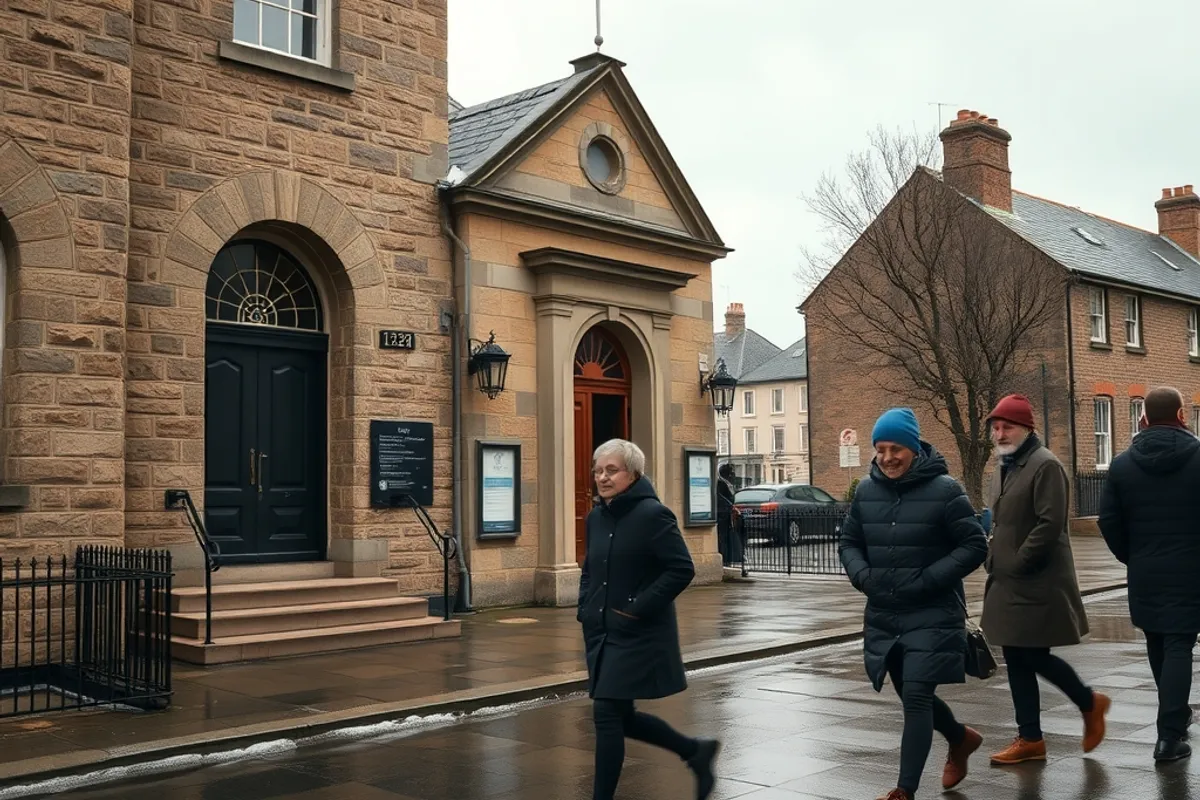
Ask residents what they think of their council and the answer is rarely neutral. In 2026 a handful of town halls are trying something different: publishing budgets in plain language, opening decision meetings to the public, and measuring the services people actually notice. We followed four councils for three months to see whether the new openness changes anything beyond the press release.
Why trust became the issue
Local government has spent a decade absorbing cuts while being asked to solve problems that national policy created. The result is a credibility gap that no single campaign can close. Residents see bins collected late, libraries opening fewer hours and planning applications approved over local objections, and they conclude that the council is either incompetent or indifferent.
The councils we followed have stopped trying to win that argument with advertising. Instead they are trying to make the trade-offs visible. When a budget must cut something, they publish the options, the cost of each and the reason for the final choice. It is not popular, but it is legible, and legibility is the first step back.
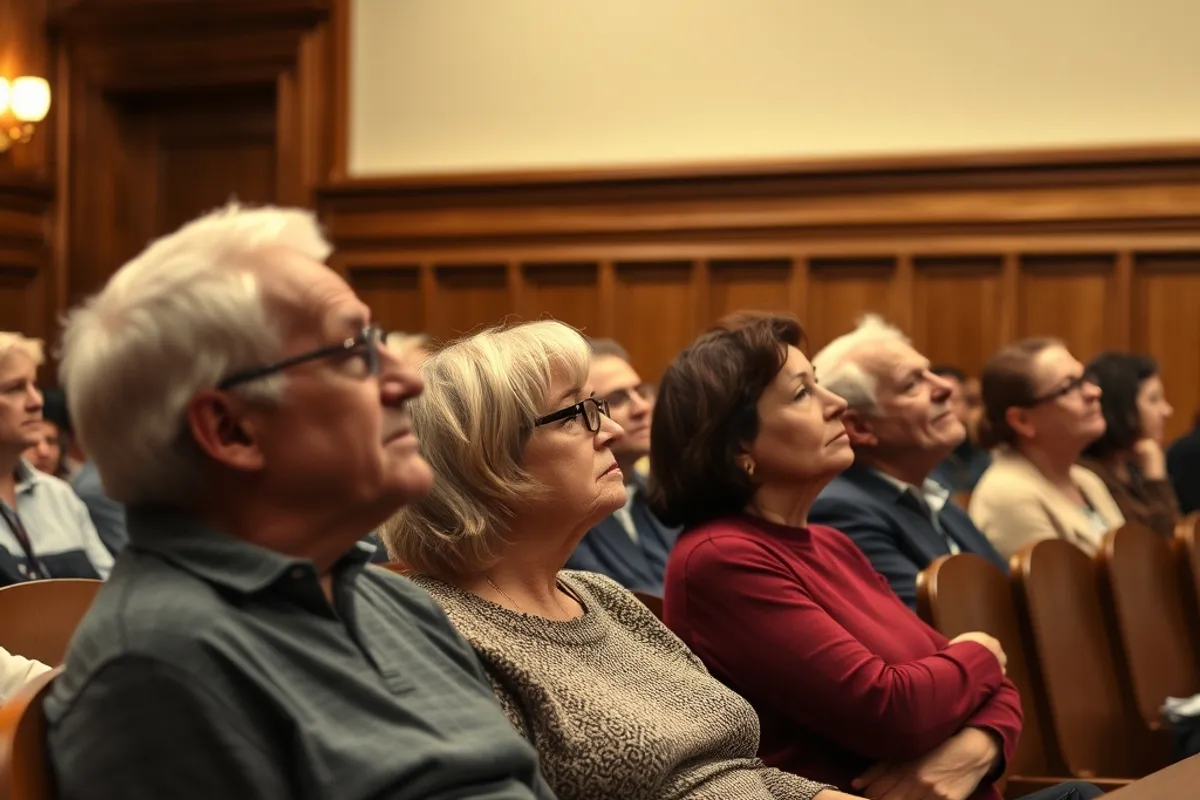
Open budgets, plain language
The best open-budget portal we saw fits on one page: where the money comes from, where it goes, what changed since last year and what it costs per household. It uses charts, short captions and a search box that answers questions like "how much is spent on road repairs?" without requiring a finance degree.
The weakest version is a spreadsheet uploaded because a policy says it must be. One council had published thousands of lines of accounts but no explanation of what any of it meant. Transparency is not the same as disclosure. The test is whether a busy resident can find the answer in under two minutes and whether the answer connects to a decision they can influence.

The planning test
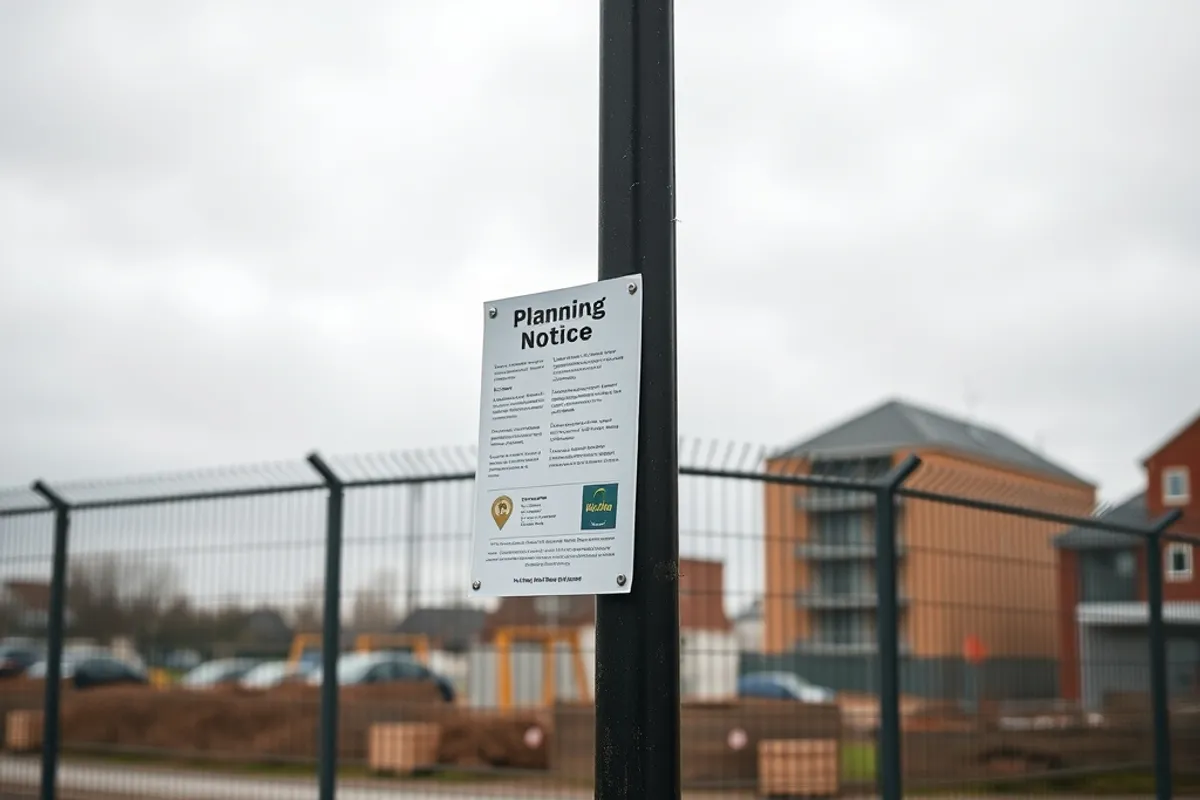
Planning is where local trust is most often lost. Decisions feel remote, timelines stretch for months and the reasons for approval or refusal can read like a legal code. Two of the councils now publish a plain-English summary alongside every major decision, with the key constraints, the consultation response and the next opportunity to comment.
It has not ended conflict, and it should not. Development involves genuine competing interests. But the summaries have reduced the number of residents who arrive at a meeting believing the outcome was decided before they spoke. That belief, more than any individual decision, is what corrodes civic trust.
Services residents notice
Councils often measure what is easy rather than what is felt. One authority we visited had excellent call-answer times and terrible street cleaning. Another had slow phones but a repair team that fixed potholes within days. Residents judge the second council as more competent because the thing they can see works.
The more credible councils now run quarterly resident panels focused on visible services: waste, roads, parks, street lighting and public toilets. Panel members are paid a small fee, randomly recruited and asked to score performance before they see the official numbers. The gap between the two scores is treated as a management problem, not a communications problem.
What still looks like theatre
Not every innovation is real. We saw consultation exercises with a single option, "engagement" events scheduled after the decision, and dashboards that stopped updating once the headlines faded. One council launched a trust campaign that cost more than the youth service it was promoting.
The tell is simple: ask what would change if residents disagreed. If the answer is nothing, the process is decoration. Genuine openness carries risk, because it gives people the chance to stop something. Councils that accept that risk are the ones slowly earning back the benefit of the doubt.
"Openness only counts when it changes a decision. A published budget that nobody can influence is just a PDF with better lighting."
The bottom line
Trust is not restored by a portal or a slogan. It is rebuilt through a thousand small moments where a resident can see how a decision was made and what it cost. The councils making progress have accepted that this is slow, unglamorous work that survives changes of leadership.
For residents, the useful question is not "is my council good?" but "can I see what it is doing and does my view change anything?" Where the answer is yes, hold on to it and use it. Where the answer is no, that is the story worth reporting, and it usually starts with a meeting nobody advertised.
For related coverage, read our analysis of High Street Revival 2026: What Actually Brings Shoppers Back and our report on Public Trust in News 2026: Why Audiences Are Turning Away.
Further reading from independent sources: Reuters and Associated Press.