High Street Revival 2026: What Actually Brings Shoppers Back
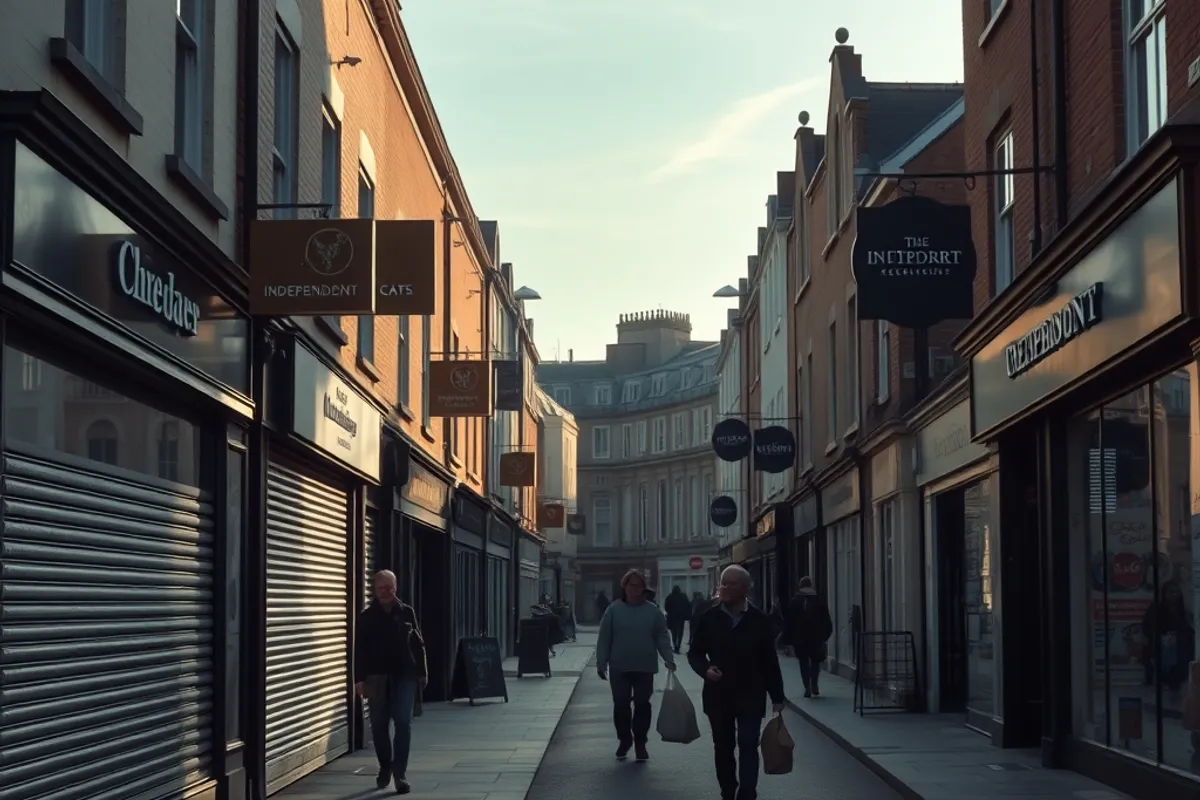
The high street is not dead, but it is being rebuilt in public. Across the towns we visited in early 2026, vacancy rates varied from almost a fifth of units to under one in twenty, and the difference rarely came down to how nice the street looked. What mattered was rent, transport, opening hours and whether people had a reason to come other than shopping.
What changed after the pandemic
The shift to online shopping did not kill the high street by itself. It exposed streets that depended on a single purpose, usually weekday retail. Towns that recovered fastest added reasons to visit on a Tuesday afternoon: health services, food, childcare, co-working and evening events.
The pandemic also changed habits in ways that stuck. More people work from home, which supports local cafés but weakens the lunchtime trade in city centres. Fewer office workers means fewer sandwich shops, and a sandwich shop closing makes the street feel emptier even when nothing fundamental has changed.
The rent and rates problem
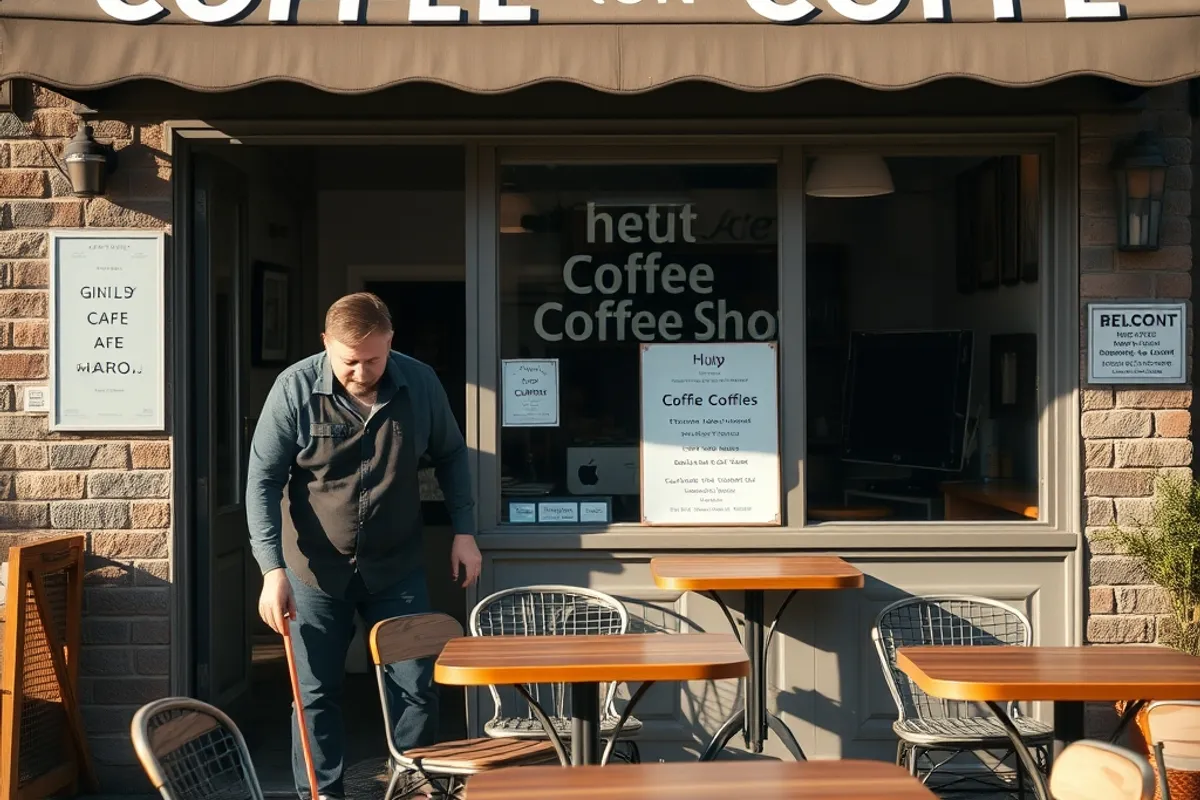
Shopkeepers mention rent and business rates before anything else. A unit can sit empty for years while the landlord waits for a tenant who will pay a rent set before the market fell. Meanwhile the occupied shops subsidise the gap through their own rates and reduced footfall.
The towns that improved had often renegotiated the relationship between landlord and council. Temporary rate relief helped, but so did a hard conversation about realistic rents. Where that conversation never happened, pop-up schemes simply cycled through hopeful tenants who left when the subsidy ended.
Pop-ups and meanwhile use
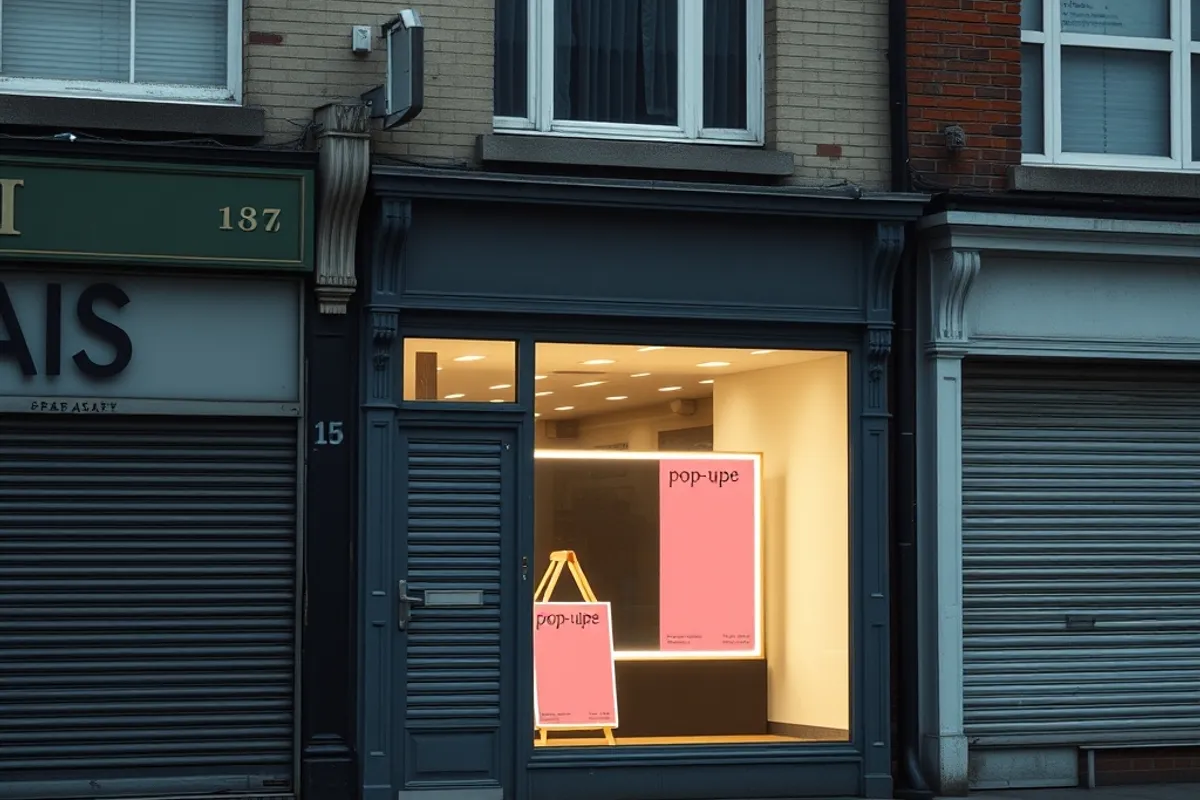
Pop-ups are useful, but they are a tactic rather than a strategy. We saw successful examples: a bakery testing a second site, a repair service building a customer list, a community group using a vacant unit for classes. In each case, the operator treated the space as a step toward something permanent.
We also saw streets where every unit was a different short-term project, and the overall impression was still instability. Shoppers do not bond with a shop they expect to disappear. Meanwhile use works best when it is curated, supported with practical help and linked to a realistic route to a longer lease.
Transport, parking and footfall
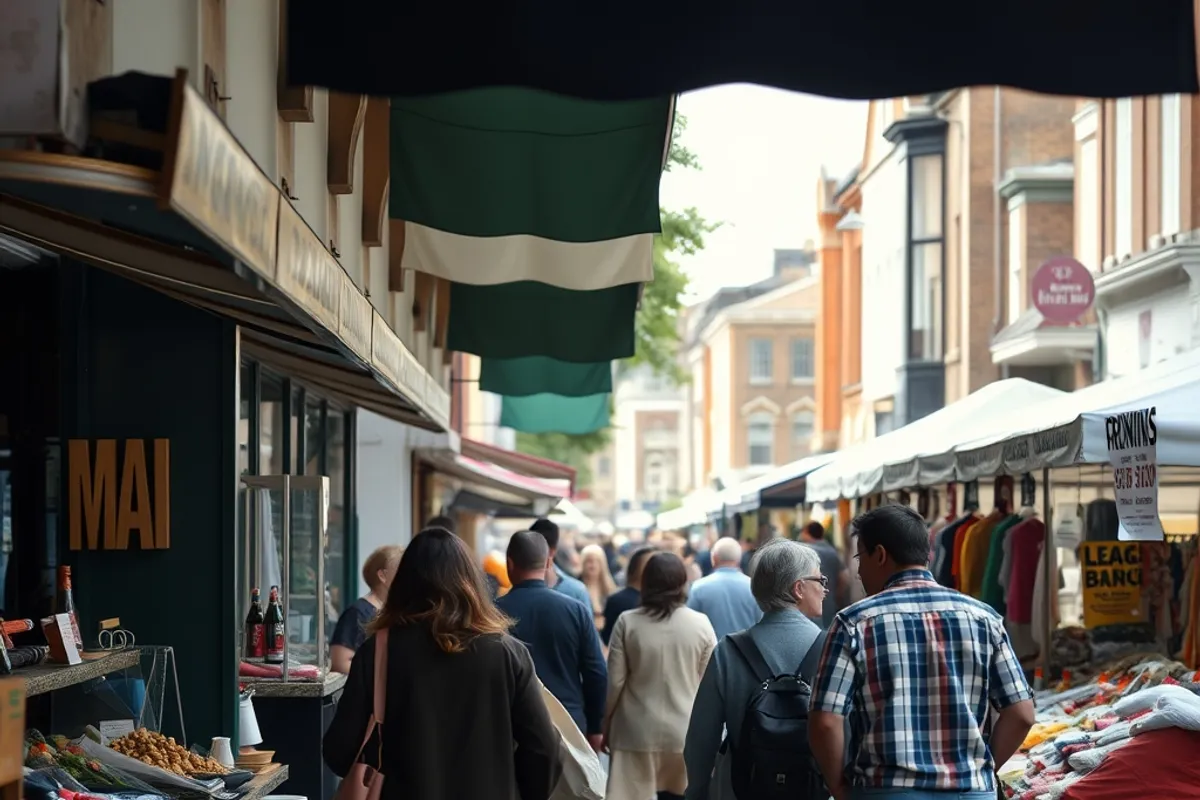
For a shopper without a car, the difference between a ten-minute and a twenty-five-minute journey is decisive. Reliable buses, safe walking routes and covered cycle parking do more for a town centre than a new hanging basket. For drivers, the cost and stress of parking matter more than the distance from the car park to the shops.
The practical answer is not anti-car or anti-bus. It is mixed. Towns that offered free short-stay parking alongside frequent buses saw the widest range of visitors. Towns that made one option expensive without improving the other simply lost trips, often to an out-of-town retail park with easier access.
What shoppers say they want
The shoppers we spoke to wanted less than the strategy documents assumed. They wanted the street to feel safe and clean, shops to be open when they finished work, and a reason to linger beyond one errand. A hardware store, a decent café and a pharmacy were named far more often than boutique fashion.
That is a useful correction to the usual revival story. High streets are not competing with online shops for a special purchase. They are competing with the sofa for ordinary convenience and with out-of-town centres for a pleasant afternoon. Competing on usefulness is winnable. Competing only on retail theatre is not.
"A high street works when it is useful, not when it is pretty. Beauty helps only after people already have a reason to arrive."
The bottom line
The strongest high streets in 2026 are mixed, flexible and honest about what they can support. They are not saved by one big project or one popular market. They are saved by many small decisions that lower the cost of opening a business and make a visit easy.
For residents, the lever is local: spend where you want a shop to exist, tell the council which services you use, and turn up to the consultations that decide the street plan. For everyone else, the lesson is that revival is slower than the press release and far less photogenic. That does not make it less real.
For related coverage, read our analysis of Local Councils 2026: How Town Halls Are Rebuilding Trust and our report on The Cost-of-Living Mood 2026: What Surveys Really Show.
Further reading from independent sources: Reuters and Associated Press.