Community Volunteering 2026: Who Shows Up and Why
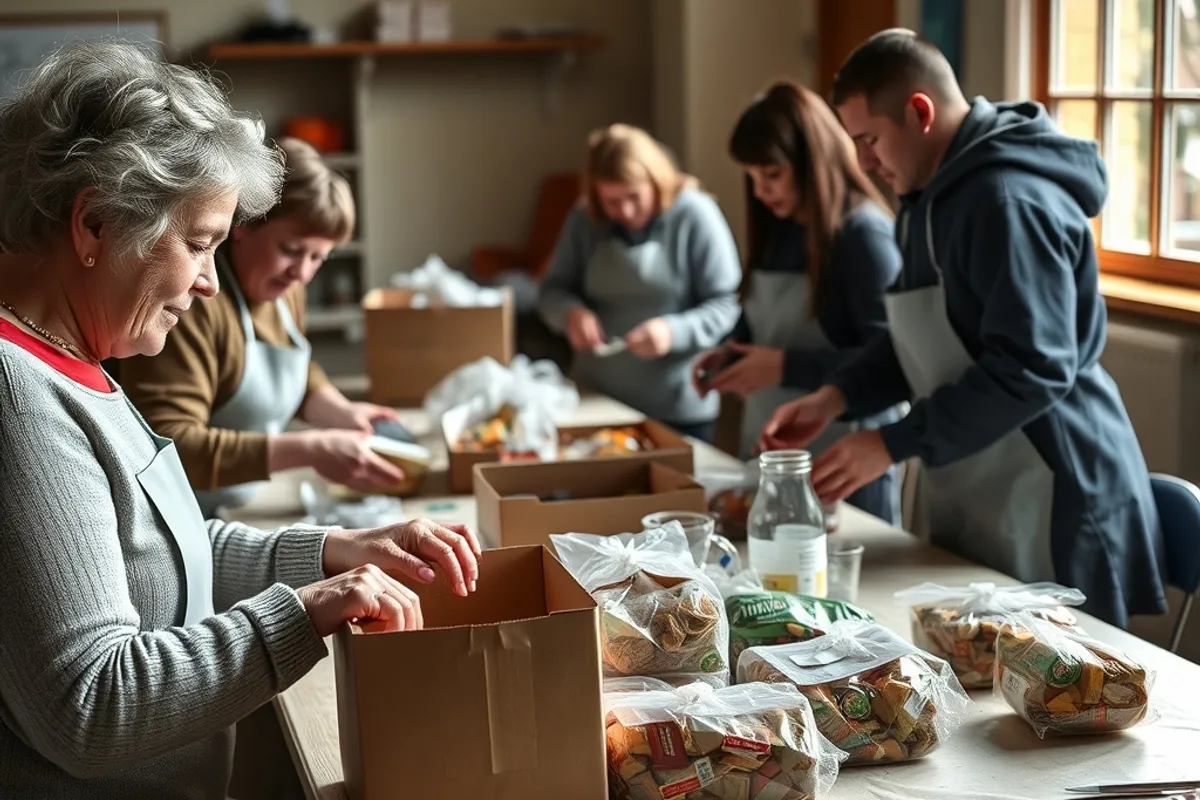
Community groups often describe a paradox. There is plenty of goodwill, but fewer people willing to sign up for a regular weekly commitment. The result is a volunteering landscape that looks busy in December and thin in February. Understanding why people show up, and why they stop, is the difference between a thriving group and a closed one.
The post-pandemic dip
Many community organisations lost older volunteers during the pandemic and have not fully replaced them. Some never returned because of health concerns, others because routines changed, and some because the group itself became harder to reach when meetings moved online.
At the same time, informal helping increased. Neighbours collected shopping, families supported each other and ad hoc groups formed around a local need. That energy is real, but it is harder to sustain without the structures that formal volunteering provides.
Who volunteers now
The profile of volunteers has shifted. Younger people are more likely to help with a specific event or campaign than to join a committee. Retired people still provide a large share of regular hours, but the next cohort is less available during the working week and more protective of weekends.
This is not a decline in values. It is a change in available time. A group that expects a weekly commitment will struggle to recruit people whose work and caring responsibilities are unpredictable. A group that offers a two-hour Saturday shift will find more takers.
The time and money barrier
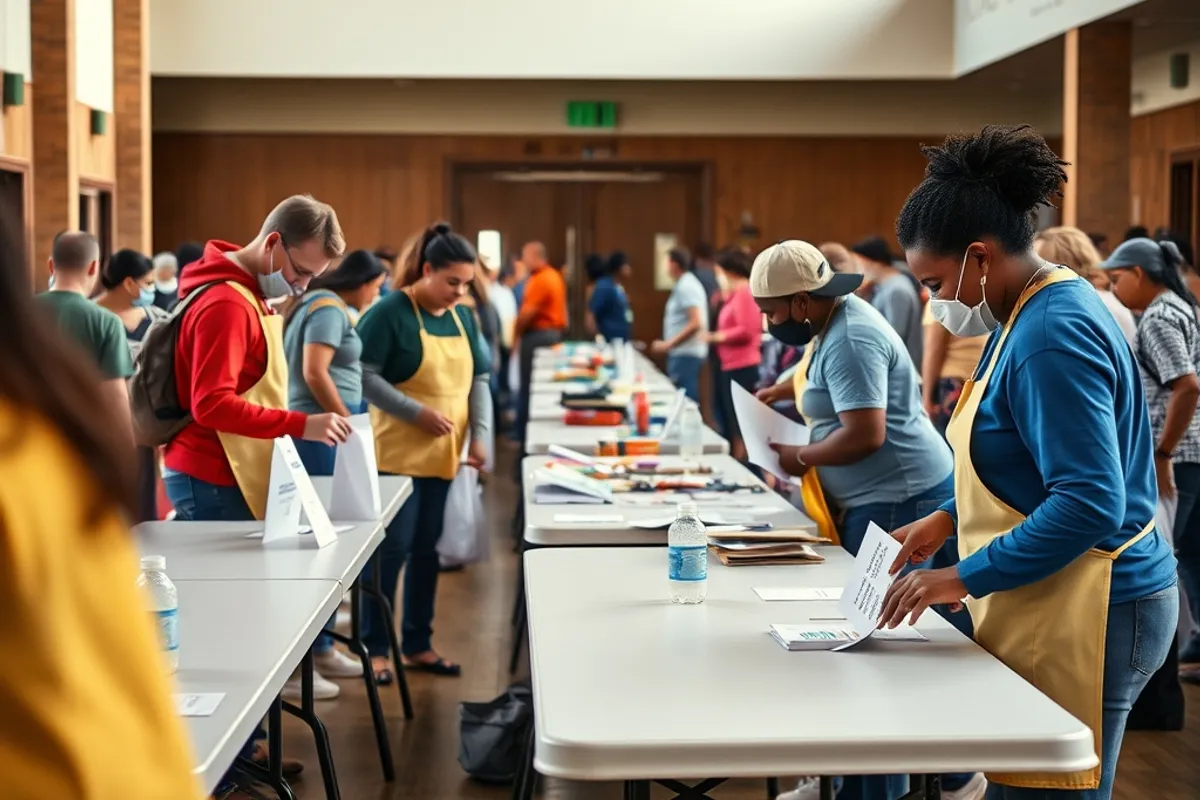
Volunteering is not free for the volunteer. Travel, childcare, equipment and lost income all add up. Groups that reimburse expenses and provide food, transport or a crèche see higher participation from people who are not comfortably retired.
The barrier is often practical rather than motivational. A person who wants to help may still say no if the shift starts before their bus runs or the role requires a laptop they do not own. Removing those small frictions is more effective than another recruitment campaign.

What good recruitment looks like
The best groups describe the task precisely, state the time commitment honestly and make the first shift easy. They do not ask for an indefinite commitment before a new volunteer has tried the work. They pair newcomers with someone experienced and thank them in a way that feels personal rather than automated.
Retention matters more than recruitment. A group that keeps half its new volunteers is stronger than one that signs up twice as many and loses them all. The difference is usually whether people feel useful and expected, rather than surplus to a rota.
The role of employers
Employer-supported volunteering can bring a useful burst of people and skills, but it can also distort a group's work. A team that arrives for one day with its own plan may create more coordination work than it saves. The best programmes ask the community group what it needs and then supply that.
Paid volunteering leave is valuable, but it is unevenly distributed. Workers in secure professional jobs are most likely to have it, while the people who could most benefit from the social connection of volunteering often do not. Policy should recognise that gap rather than treat corporate schemes as a substitute for local support.
"People do not need to be persuaded to care. They need a task that fits the time they actually have."
The bottom line
Volunteering is not disappearing. It is becoming more episodic, more flexible and more dependent on good organisation. Groups that adapt to the time people actually have are still able to find help. Groups that insist on the old model will keep describing a shortage that is partly self-made.
For anyone thinking about volunteering, start small. One two-hour shift is enough to learn whether a group is well run and whether the work suits you. For groups, the priority is simple: make the first hour easy, make the task clear, and make people feel that leaving would be noticed.
For related coverage, read our analysis of Digital Privacy 2026: What Ordinary People Should Know and our report on Local Councils 2026: How Town Halls Are Rebuilding Trust.
Further reading from independent sources: Reuters and Associated Press.