AI and the Newsroom 2026: Who Reports the Story Now?

The debate about artificial intelligence and journalism has moved from speculation to routine practice. In 2026 many newsrooms use AI to transcribe interviews, translate copy, sort documents, draft summaries and tag archives. Far fewer use it to report a story from scratch, and for good reason. The technology is useful in proportion to how clearly its limits are understood.
What newsrooms actually use
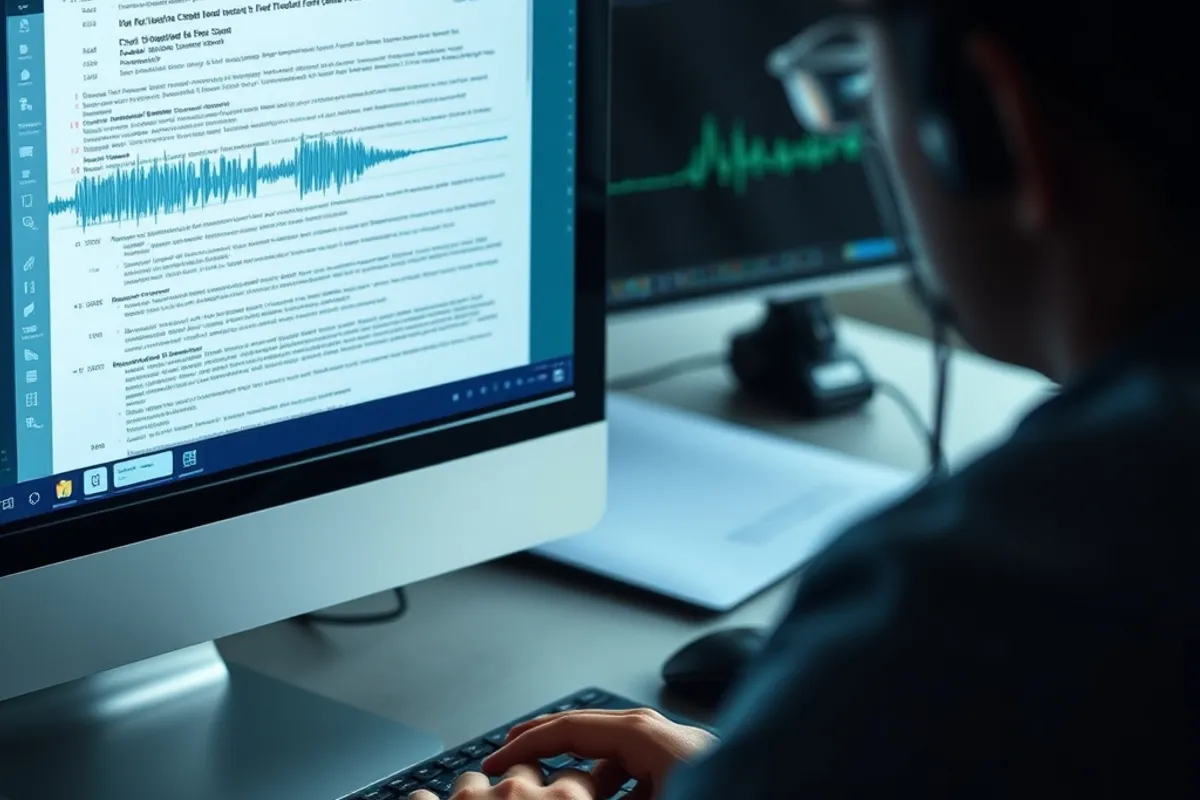
The quiet revolution is in the unglamorous parts of the job. Interviews that once took an hour to transcribe now take minutes. Foreign-language documents can be summarised before a reporter decides whether to commission a translation. Large datasets can be searched for patterns that would once have required a specialist.
These gains are real, but they are mostly about time. They let a small team cover more ground, which matters as newsroom budgets stay tight. They do not replace the judgement that decides which ground is worth covering, and they do not remove the need to call the person involved and ask a hard question.
The accuracy problem
Generative tools are confident even when wrong. They can invent a quotation, misstate a date or merge two people into one. In a newsroom, those errors are not minor glitches. They damage the record and the reader's trust, and they are hardest to catch when the output looks fluent.
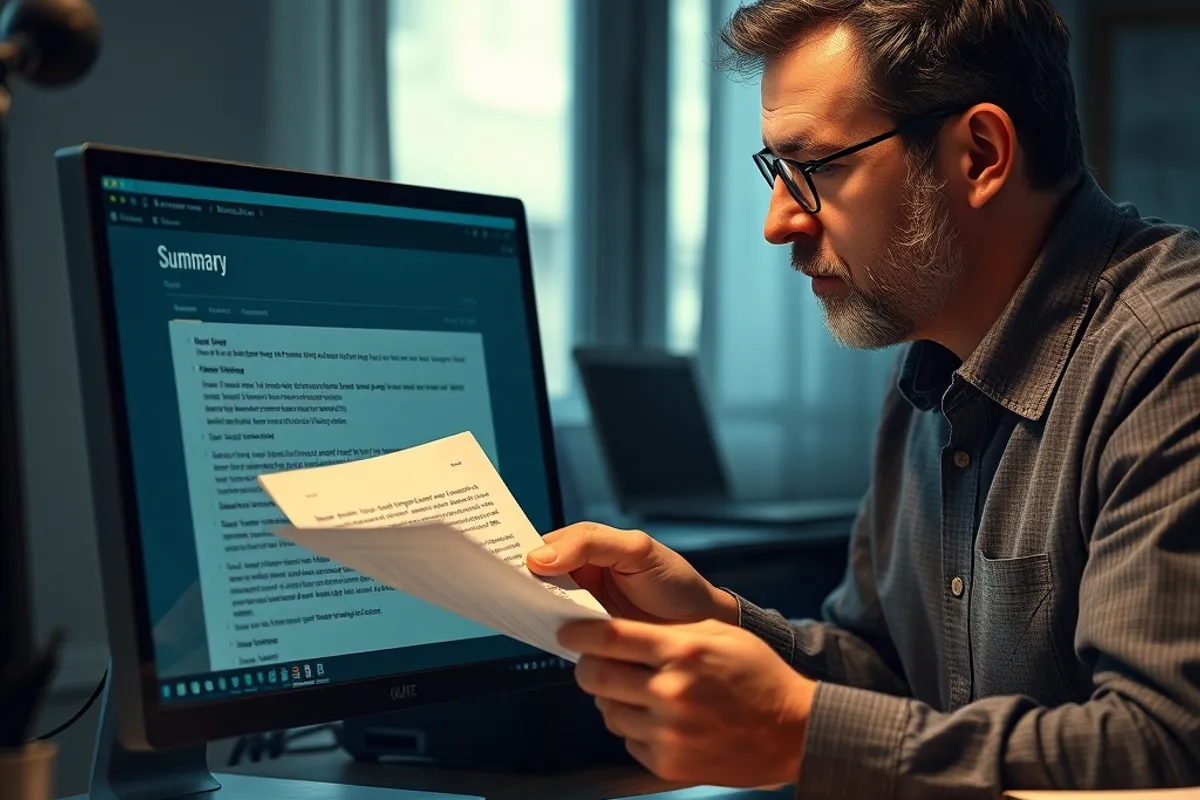
The responsible pattern is verification at every boundary. A transcript must be checked against the audio for key quotes. A translation must be reviewed by a speaker. A summary must be read against the source. AI can speed up the work, but it cannot be the last pair of eyes on a fact.
Jobs, roles and new skills
The employment picture is mixed rather than apocalyptic. Routine production roles have shrunk in some outlets, while demand has grown for people who can verify, edit and design workflows around AI tools. The journalist who understands data and can audit an automated process is more valuable than before, not less.
The risk is concentration. If only large publishers can afford the tools and the oversight they require, smaller outlets fall further behind. That matters for local news, where competition is already thin and a single closure can leave a town without a reliable record of its own decisions.

Transparency and labels
Readers are entitled to know when a significant part of a story was produced by a machine. That does not mean labelling every spell-check. It means being clear when an article is generated from structured data, when a summary is automated, or when a translation has not been reviewed by a human speaker.
Labels only work if they come with responsibility. "AI-generated" is not a disclaimer that transfers blame to a tool. The publisher is still answerable for what appears under its name. Trust grows when that responsibility is stated plainly and backed by a correction process that actually functions.
The business case
The commercial promise is efficiency, and efficiency is not the same as quality. A publisher that uses AI only to cut costs will produce more content at the same or lower standard, which readers are already trained to ignore. A publisher that uses it to free reporters for original work has a better story to tell.
That distinction is the whole ballgame. AI is good at compressing routine tasks and bad at earning trust. News organisations that remember this will use the technology to buy time for reporting, not to replace the reporting that makes them worth reading.
"A tool can draft a sentence. It cannot decide what the sentence is accountable to."
The bottom line
AI is now a normal part of news production, but it has not changed the fundamentals of journalism. Someone still has to decide what matters, check the facts and stand behind the result. The tools make that work faster in some places and more dangerous in others.
For readers, the practical question is transparency: does the outlet tell you how the story was made and correct it when wrong? For newsrooms, the question is accountability: who signs off on the output? If the answer is "the system", something important has been lost.
For related coverage, read our analysis of Housing Affordability 2026: The Numbers Behind the Crisis and our report on Public Trust in News 2026: Why Audiences Are Turning Away.
Further reading from independent sources: Reuters and Associated Press.