Housing Affordability 2026: The Numbers Behind the Crisis
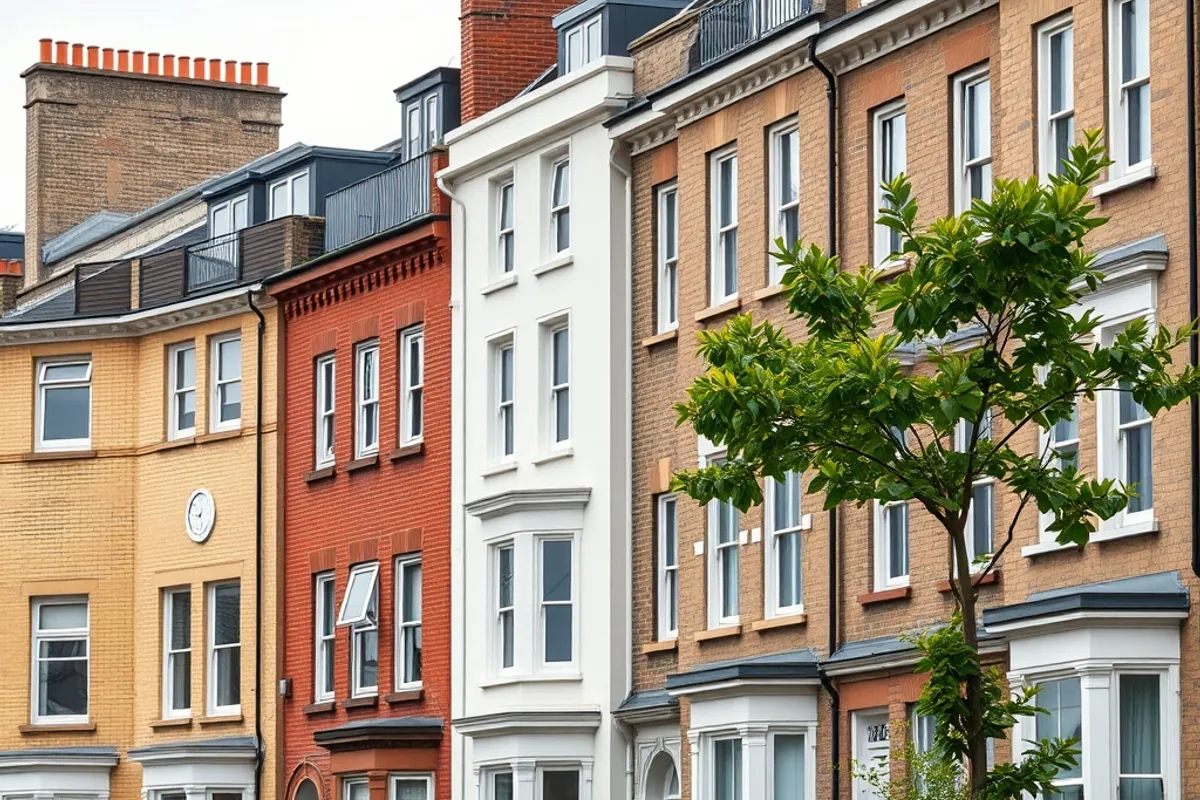
Housing is the issue that keeps returning to the top of public concern, and for good reason. It touches everything: where people can work, whether they can have children, how long they stay in one place and how much they have left at the end of the month. But "housing crisis" is a label, not an explanation. The numbers point to several distinct problems that need different answers.
Supply is not the whole story
It is tempting to reduce the crisis to a simple shortage: too few homes, too many people. Supply matters, but the relationship is local. Some cities have built steadily and still face high prices because demand grows faster. Others have added little and remained affordable because wages are low and migration is flat.
The useful analysis compares homes per household, vacancy, wages and transport in the same place. A region can have enough housing on paper and still feel short if the available homes are in the wrong places, the wrong sizes or priced for investors rather than residents.
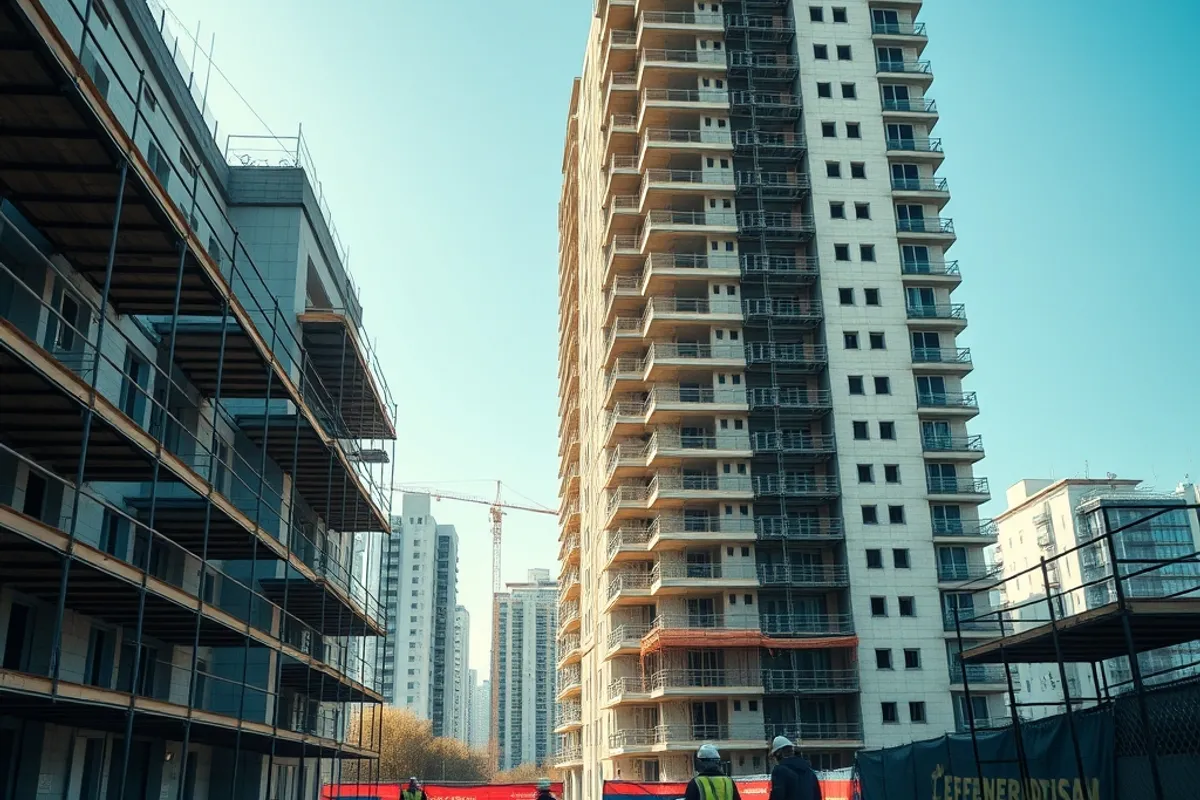
The deposit wall
Monthly repayments get the headlines, but the deposit is often the harder barrier. A buyer who can comfortably service a mortgage may still be unable to save a large upfront sum while paying rent. The result is a long pause in the housing pathway, not because the monthly maths fails but because the entry cost does.
Family support fills the gap for some buyers, which quietly turns housing access into an inheritance issue. When a deposit depends on parents, the market rewards existing wealth more than current income. That dynamic is difficult to reverse with interest-rate policy alone.

Rents and the rental market
Rents respond to local demand, and local demand follows jobs, transport and the quality of the neighbourhood. A city that adds high-paying jobs without adding homes will see rents rise even if national inflation is calm. A city that improves a train line can push rents up in the stations along it.
Tenant protections and rent rules change the balance but rarely create supply on their own. The more durable answer is to increase the number of homes in places people want to live, while protecting tenants during the transition. That combination is politically difficult because it asks different groups to accept different costs at the same time.
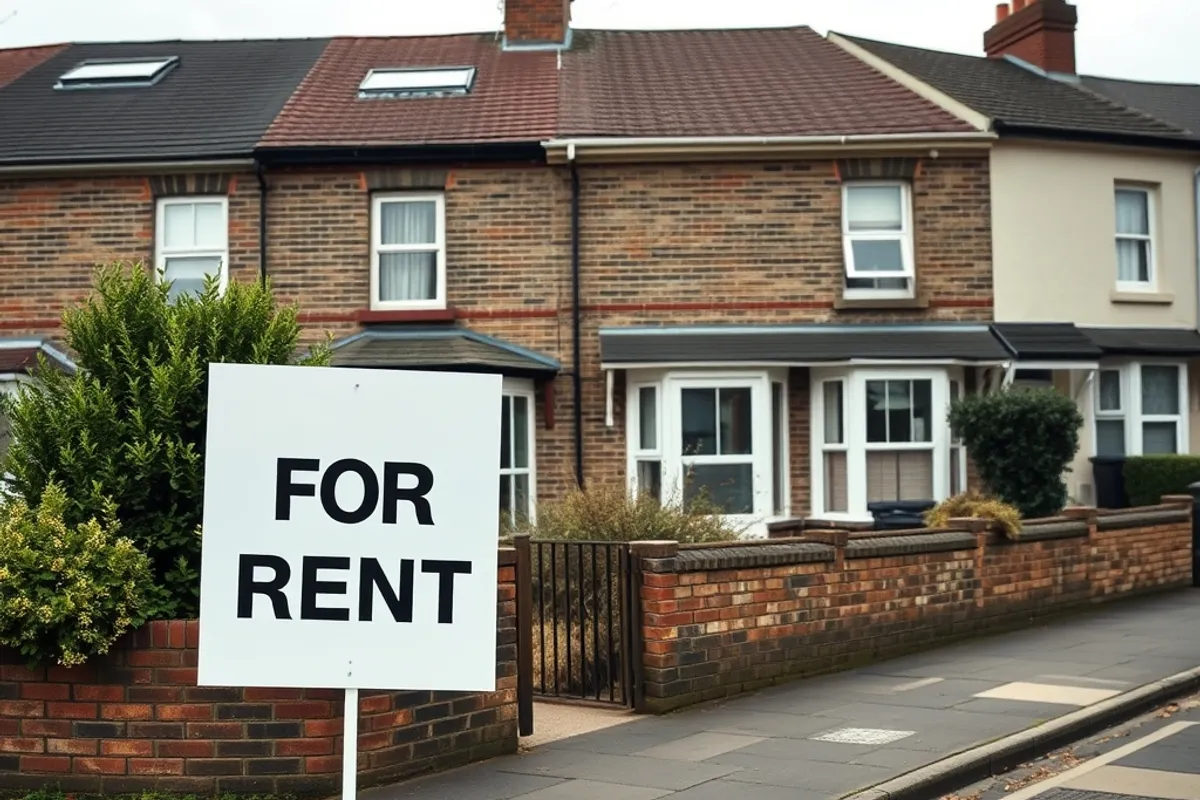
Building costs and planning
Construction costs rose sharply after 2021 and have not returned to their old level. Materials, labour and finance all cost more, which means a project that pencilled out five years ago may no longer be viable. When developers pause, the supply pipeline narrows years before the shortage is felt.
Planning systems add time and uncertainty. Some delay is necessary for consultation and design quality. Too much of it becomes a tax on building. The practical question is not whether to have rules but whether the rules produce decisions within a timeframe that lets good projects proceed.
What could change in 2026
Several levers are available, none of them a single fix. Planning reform can speed up permissions, but it must be paired with infrastructure so that new homes do not overwhelm schools and roads. Public investment can unlock sites that private builders cannot make viable. Deposit support can help buyers, though it risks pushing prices up if supply does not follow.
The most credible strategies combine supply, affordability and stability. Build more where demand is strong, protect tenants during the transition, and be honest about the timescale. Housing markets move slowly, and policies announced with great confidence usually take years to show up in a rent or a deposit.
"A house is affordable only in relation to the life around it: the job, the bus, the school and the deposit you can actually raise."
The bottom line
The housing crisis is real, but it is not one crisis. A supply shortage, a deposit wall, a local rental squeeze and a construction-cost problem require different responses. Treating them as a single issue leads to policies that sound bold and change little.
For readers, the numbers to watch are local: homes per household, rents against wages, deposit requirements and planning approvals. Those are less exciting than the national headline, but they are the figures that determine whether a place remains open to the people who keep it running.
For related coverage, read our analysis of AI and the Newsroom 2026: Who Reports the Story Now? and our report on The Cost-of-Living Mood 2026: What Surveys Really Show.
Further reading from independent sources: Reuters and Associated Press.