Heatwaves and Cities 2026: The New Summer Normal
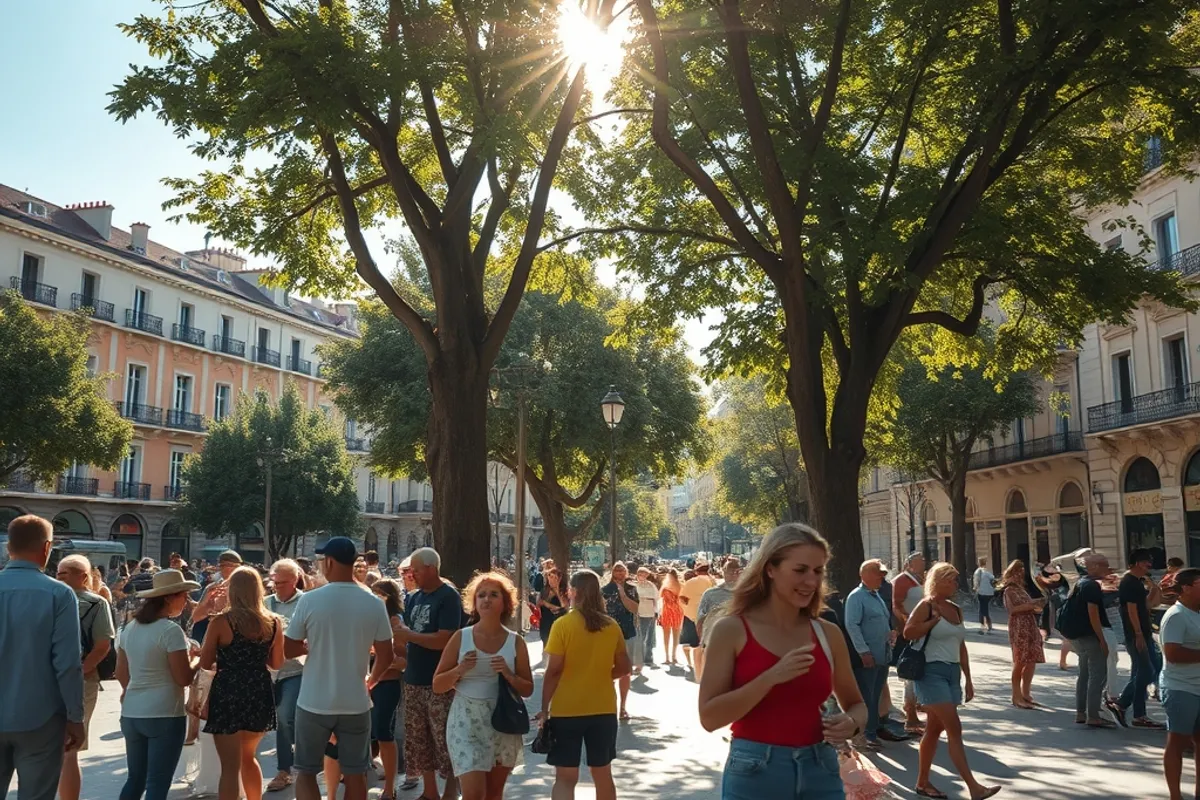
A heatwave is no longer an unusual event to be endured for a few days. In many cities it is a recurring season with its own routines: earlier errands, closed playgrounds, emergency cooling centres and a quiet worry about elderly neighbours. The way cities are built determines how dangerous that season becomes.
Why cities run hotter
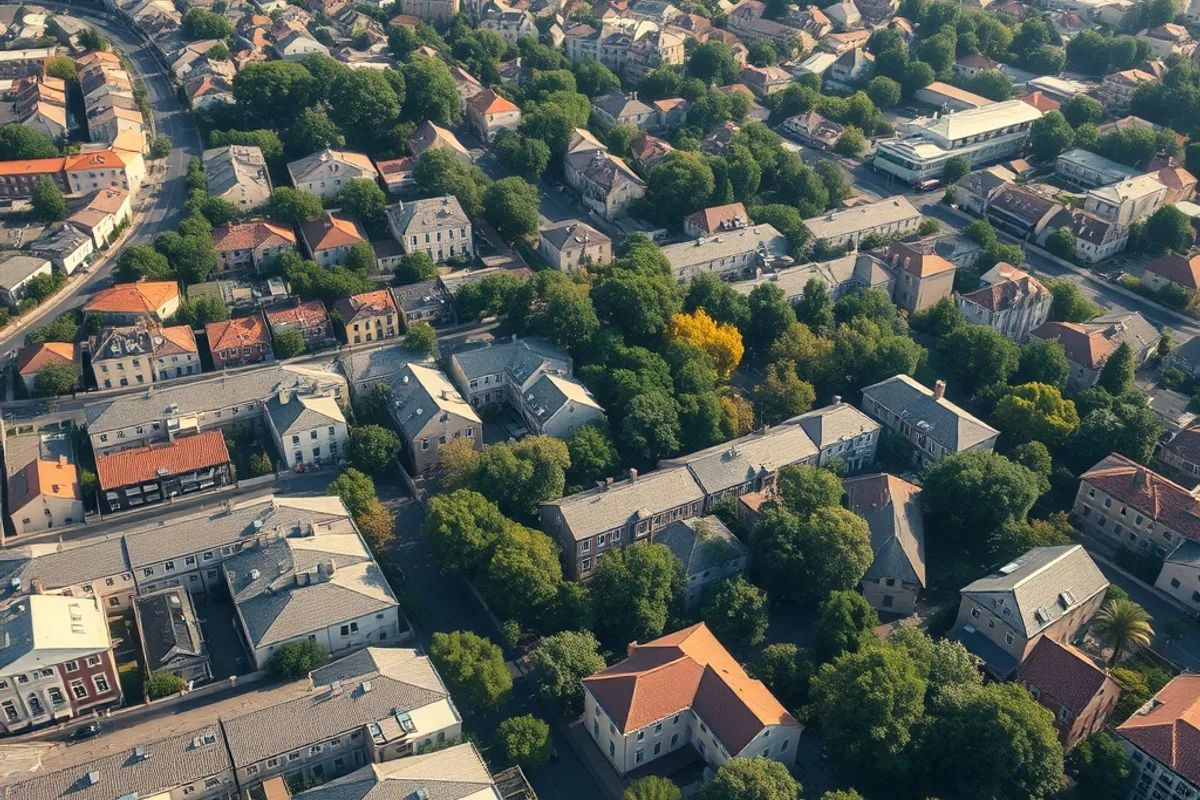
Concrete, asphalt and dark roofs absorb heat during the day and release it slowly at night. With less vegetation to cool the air through evaporation, dense neighbourhoods can stay hot long after the sun goes down. The result is not just discomfort. It is a health risk that accumulates when the body never gets a chance to recover.
The effect is uneven. Streets with mature trees and parks can be several degrees cooler than treeless blocks a short walk away. Those differences often line up with income, which means the heat island is also a fairness problem. The people least able to pay for cooling often live in the hottest places.
The health toll
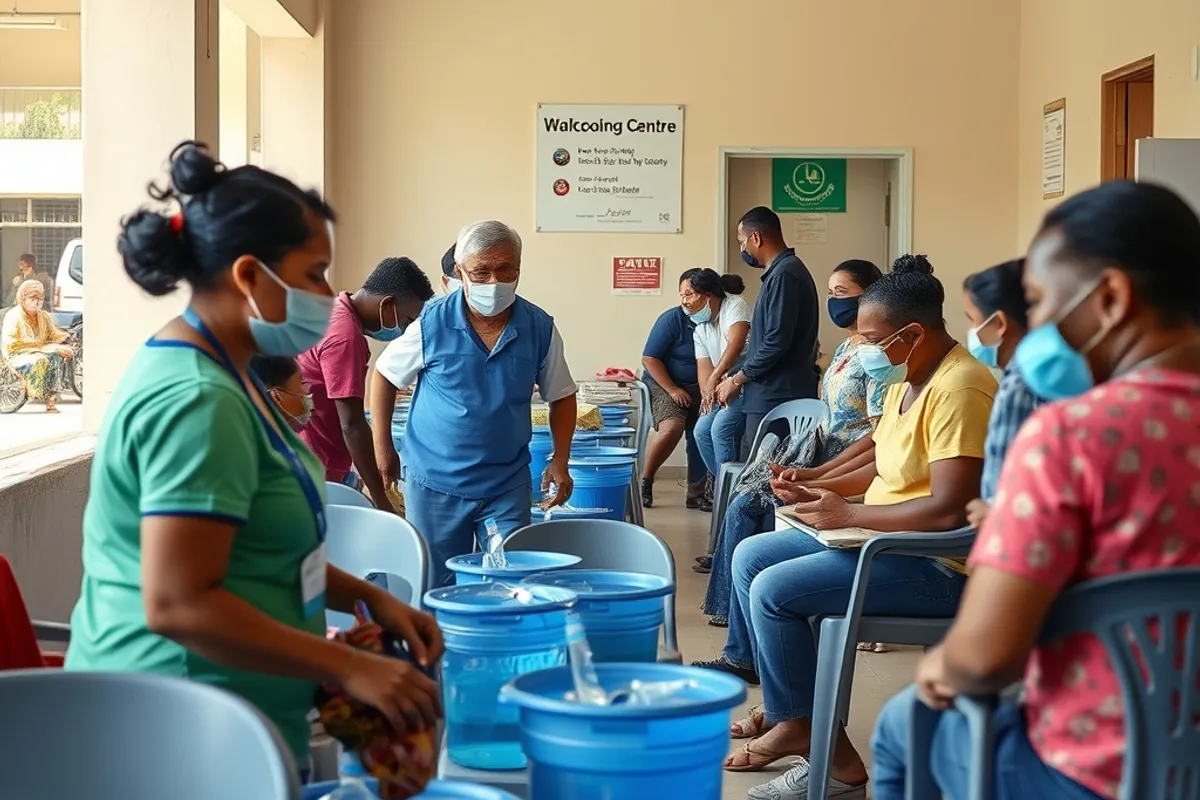
Heat illness is often invisible in official records. Deaths are frequently attributed to heart or respiratory conditions that heat made worse, so the true toll is higher than the count of people treated for heatstroke suggests. Elderly people, outdoor workers, pregnant women and people with chronic illness are most exposed.
The most important protective factor is not air conditioning alone. It is social contact. A neighbour who checks in, a community centre that stays open, a pharmacy that knows its vulnerable customers: these simple networks save lives when the temperature stays high for several nights.
Retrofitting streets
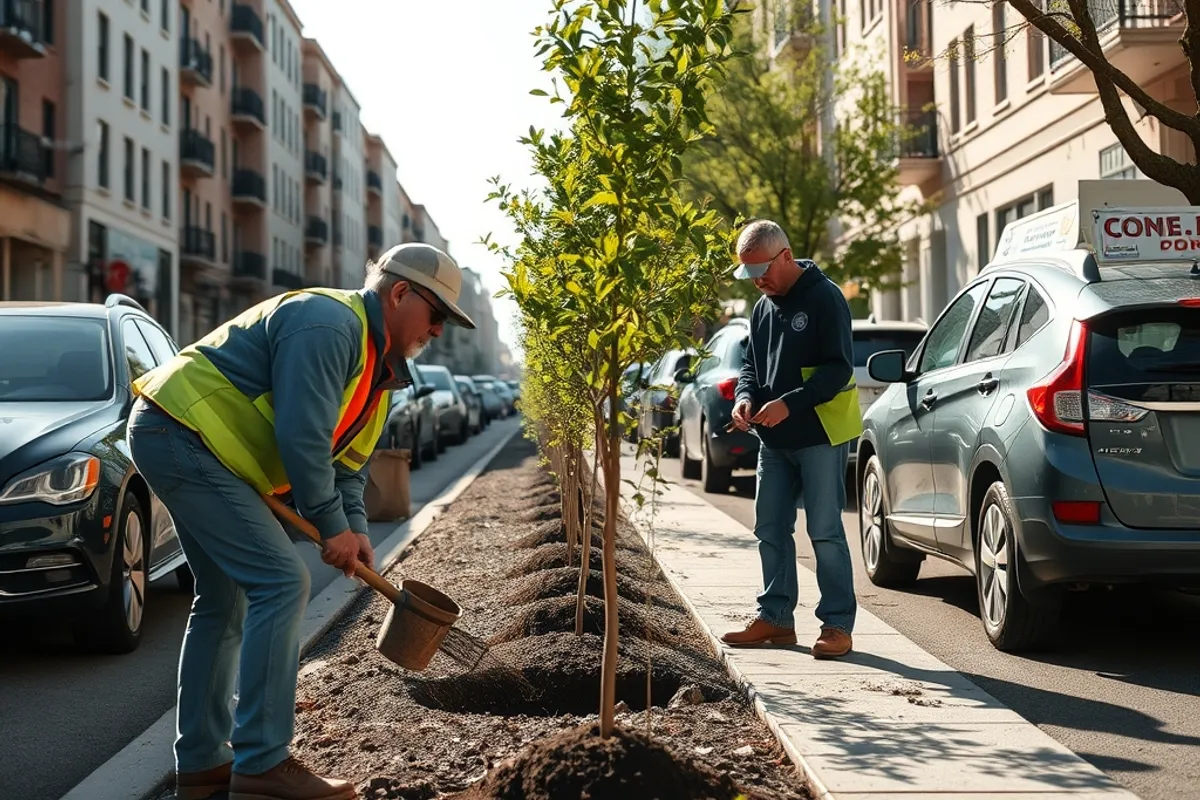
The cheapest interventions are often the most effective. Planting trees, creating shaded seating, painting roofs light colours and opening water fountains all reduce street-level heat. They also make a neighbourhood more pleasant for the rest of the year, which helps build support for the spending.
Retrofitting takes time, and trees need years to mature. Cities that started early are now seeing the benefit, while others are still debating budgets. The practical lesson is to begin with the streets that have the least shade and the most vulnerable residents, rather than the most visible locations.
Water, power and transport
Heat stresses the systems a city relies on. Water demand spikes, power grids strain under air-conditioning and rail tracks can buckle. Transport disruptions then strand the people least able to adapt, especially those who depend on buses and walking.
Resilience planning has to join these systems up. A cooling centre without a bus route is less useful. A power grid that fails during peak heat turns a manageable day into an emergency. The cities coping best treat heat as a whole-system risk rather than a parks department project.
Who can afford to adapt
Individual adaptation is expensive. Air conditioning, efficient windows and a second home are not available to everyone. A strategy that relies on private spending will protect the households that need help least. Public space, social housing and tenant protections are where the real difference is made.
There is also a feedback loop. More air conditioning raises electricity demand, which can increase emissions and strain the grid. The sustainable path is to reduce the need for cooling through design, then provide efficient cooling where it is still necessary. That is less exciting than a gadget, but it is the only approach that scales.
"Heat is not just a weather story. It is a design story, and the design is mostly already built."
The bottom line
The new summer normal is not a reason to panic. It is a reason to plan. Cities already know most of what works: shade, water, social contact, efficient buildings and protections for the most exposed. The gap is usually political will and maintenance, not invention.
For residents, the useful actions are local: know where the cool spaces are, check on vulnerable neighbours, and ask the council what its heat plan actually contains. For cities, the measure of success is simple. When the next heatwave arrives, the same streets should not be the ones suffering most.
For related coverage, read our analysis of The Four-Day Week 2026: Hype, Evidence and Reality and our report on Local Councils 2026: How Town Halls Are Rebuilding Trust.
Further reading from independent sources: Reuters and Associated Press.